Dear reader,
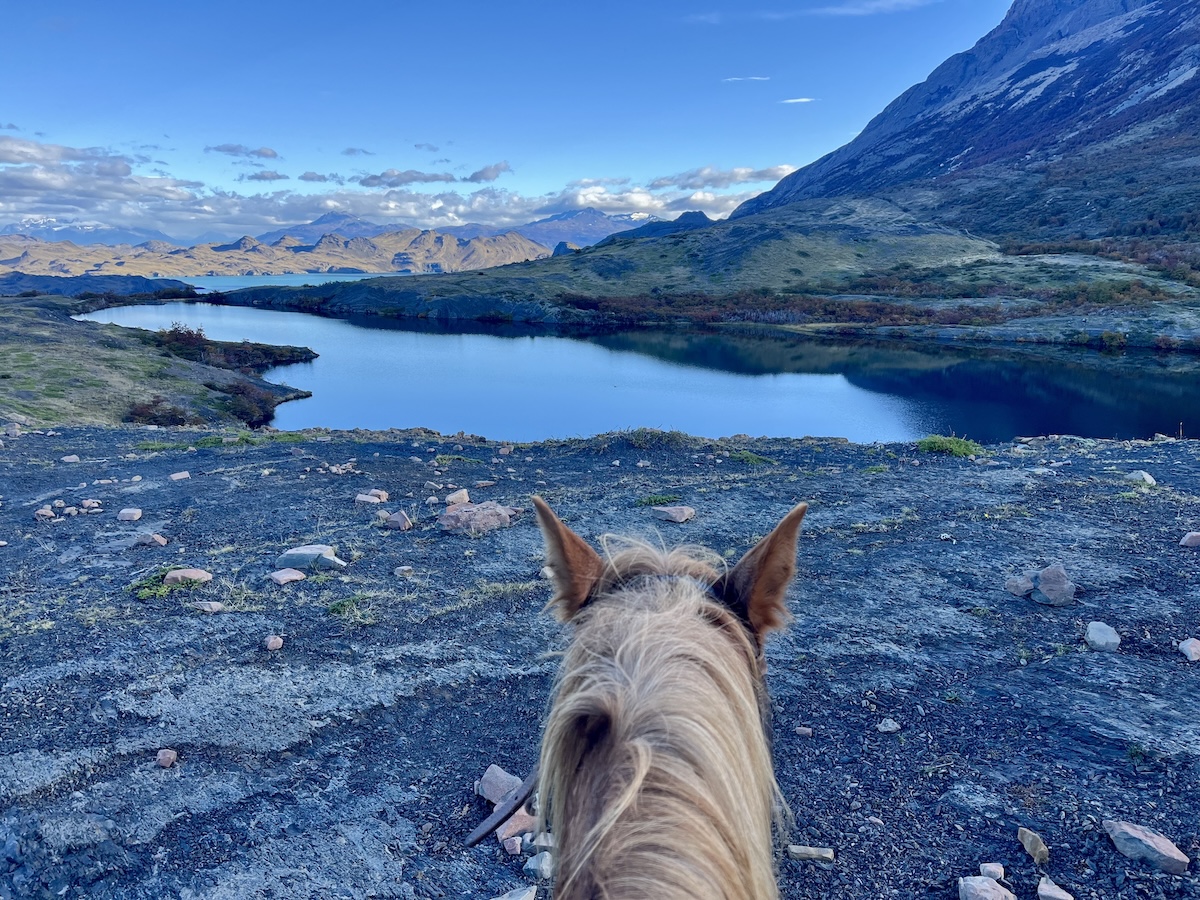
Earlier this month I traveled to Chilean Patagonia, where I galloped across plains on horseback, spotted puma cubs in the scrub, and completed the 12-mile Base Torres hike, which landed me at the lagoon that sits at the base of the iconic peaks. I also did something I’ve never done before: trail maintenance inside Torres del Paine National Park itself.
The work is part of an initiative sponsored by the family-owned Hotel Las Torres Patagonia, which sits on private land in the national park. This was the second year of the hotel’s campaign; in the first year, 10 volunteers restored 480 meters of the trail. Hard work? Yes. But what fun to contribute to one of the world’s greatest wonders in such a tactile way.
|
As I chopped roots and cleared paths alongside volunteers from Canada, Brazil, and the U.S., I considered the myriad innovative ways responsible companies and people are helping to preserve and protect places we love: In Delhi, a trans Muslim shares the city’s queer history with travelers and residents, one walk at a time; in Japan, a picturesque set of towns forbid outside investments and the destruction of surrounding forests and farmlands to maintain their Edo atmosphere.
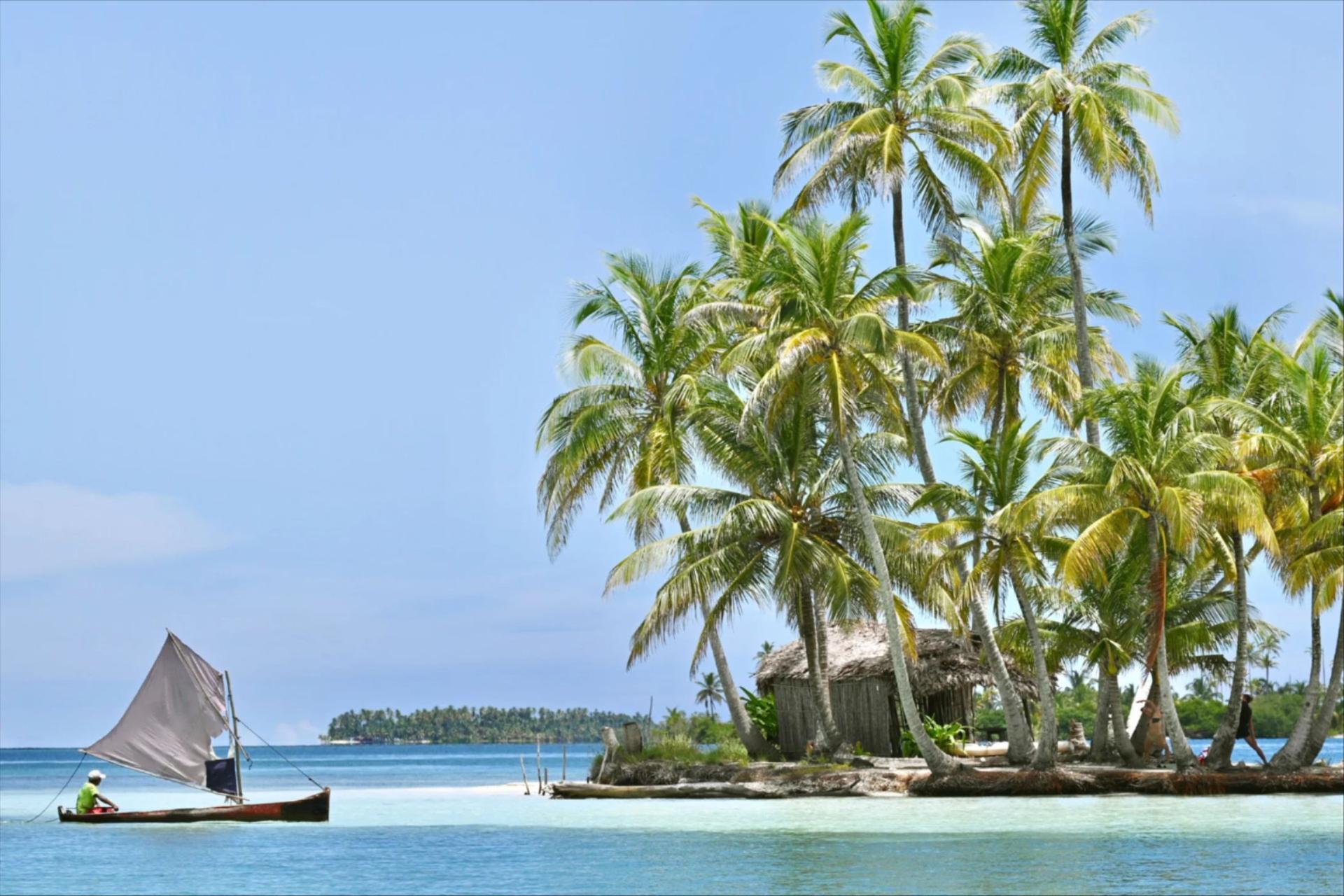
Preservation and conservation on the brain means that I was especially intrigued when I read writer Mark Johanson’s story about Guna Yala, an archipelago in Panama known for its polychromatic reefs, alabaster sands, and the first Indigenous community in Latin America to gain political autonomy 100 years ago. Now at the frontlines of climate change, the community is working to protect its land—and culture—by starting businesses that support the local economy, utilize regional producers, and partner with responsible tourism organizations.
|
|
|
|
This isn’t Washington, it’s D.C.—and it belongs to the people. On this episode of Unpacked, join host Aislyn Greene as she meets the D.C. locals who are shaping the city. |
| |
Not long ago, I returned from a trip through Oman, a country I’d admittedly never really thought much about until working with Sarah Thankam Mathews on her feature: “The Otherworldly, Overwhelming, Oftentimes Unbelievable Natural Wonders of Oman.” Sarah, a National Book Award finalist, grew up in Oman, and I was so enamored by her descriptions of the place that I set out to plan a trip. (Consider: “Low-slung mountains, cobalt sea. Tawny-gold sand dunes, arched like the back of an animal. Endless date palms lining smooth new roads.”) It took me a year or so to do, but good things can often take time—and this trip was a very good thing.
I swam in canyons, camped in the desert under the stars at the aptly named Thousand Stars Desert Camp, visited ancient cities like Nizwa, snorkeled in the UNESCO-designated Daymaniyat Islands, and tried to conquer my fear of heights at the gorgeous Alila Jabal Akhdar, located smack-dab in some of the highest mountains in the Middle East. Right before I boarded my plane back to the U.S., I snuck in a massage at the tranquil, tranquil, tranquil Guerlain spa at the recently opened St. Regis Al Mouj—a perfect ending to the trip that was all about new experiences.
|
|
|
|
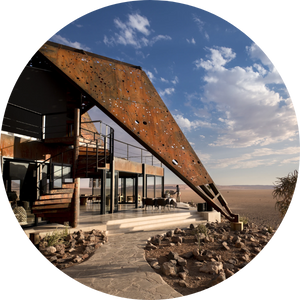
This hotel is in a vast private concession in the Namib Sand Sea, and each of its 10 suites has floor-to-ceiling glass panels, giving guests excellent views of the night sky and nearby NamibRand, Africa’s only Dark Sky reserve. Daytime adventures include hot air ballooning and drives that teach visitors about the ecosystem, geology, and Indigenous peoples. Watch night fall with a desert sundowner in hand.
|
|
|
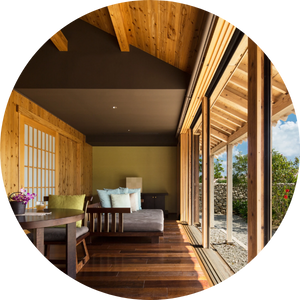
All the Japanese resort’s 48 villas follow Taketomi’s traditional architecture—stone walls, white-sand gardens, and red-tile roofs—but I’m most intrigued by the swimming pool, which is designed to reflect the sky, at night turning into a stargazing float pool. Year-round, the hotel also hosts a nighttime program called “Tinnu Deep Breathing,” where participants practice stretching exercises under the stars and moon before going to bed. Goodnight!
|
| |
|
“How do you avoid feeling terrible after a long flight/beat jet lag?”
–Julie, Connecticut |
It’s a three-part approach! Before I fly I make sure I’m hydrated and well-rested, and pack my own airplane snacks—fruit, protein bars, roasted chickpeas—for healthy fats and so I can better control when I eat. On the plane, I forgo alcohol and make sure to stand and stretch at three-hour intervals in my seat: spinal twists, chin tucks, neck rotations, and calf stretches. Once I land, I shower and avoid the temptation of a nap by walking, biking, or swimming—and then indulge in a cup (or three) of coffee.
Here are more stretches you can do on an airplane without getting up from your seat. |
|
|
The next edition of From the Editor will be written by Michelle Baran, our go-to expert for breaking news, cruise, airline intel, and family travel. If you have any questions for Michelle or any of our editors, ask them here.
|
| |
|
This ancient desert town’s newest hotel is lit only by candlelight... 🕯 |
|
|
|