Dear reader,
When it comes to being a good traveler, where we go can be just as impactful as how we get there. Hot-button issues like climate change and overtourism mean that we need to start giving a second thought to those Instagram-famous locales or filming locations from popular TV shows. Sure, they may look beautiful on your social media feed, but how will your visit impact the destination and the people who live there?
This idea was top of mind this past April, when four editors from AFAR headed to Puerto Rico for United Voices, a pilot program that worked with Boricua content creators to spotlight their home island: How could we, as a travel outlet, talk about the island in a way that encourages sustainable travel—especially since we’re part of an ecosystem that not only covers trending destinations but also inherently attracts visitors to new places by bringing attention to them?
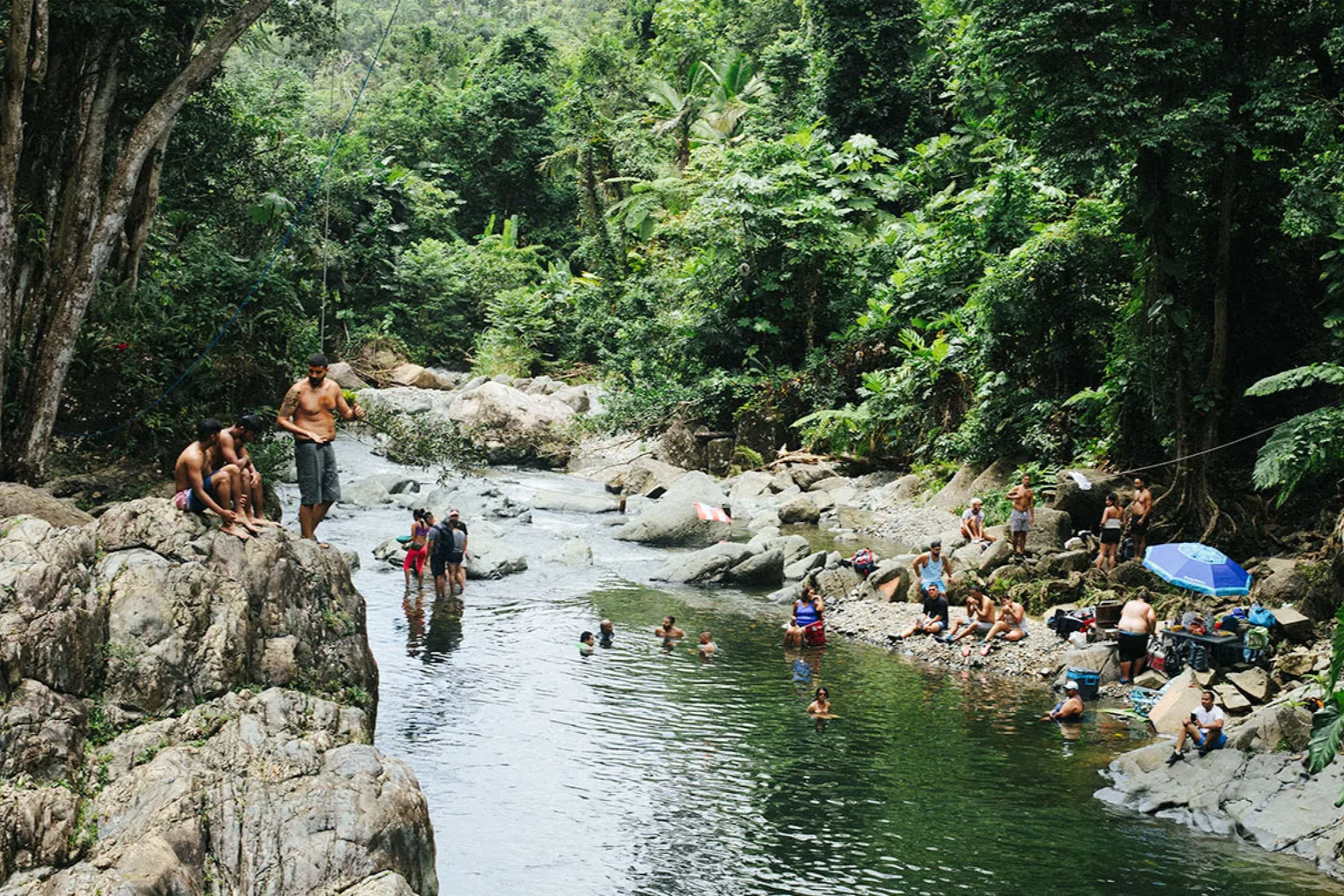
As a result, we decided to forgo the well-trodden bioluminescent bays, beaches, and capital city and learn about a side of Puerto Rico many travelers don’t see. We went to cities and towns like Ponce, Guanica, and Yauco, with the aim of engaging with the island in a more comprehensive way. During three days, we visited places like Sandra Farms—which uses zero fossil fuels while still following traditional methods of growing and harvesting coffee—and El Pretexto, a bed-and-breakfast in the mountains of Cayey that works with local producers to highlight the bounty of Puerto Rican produce.
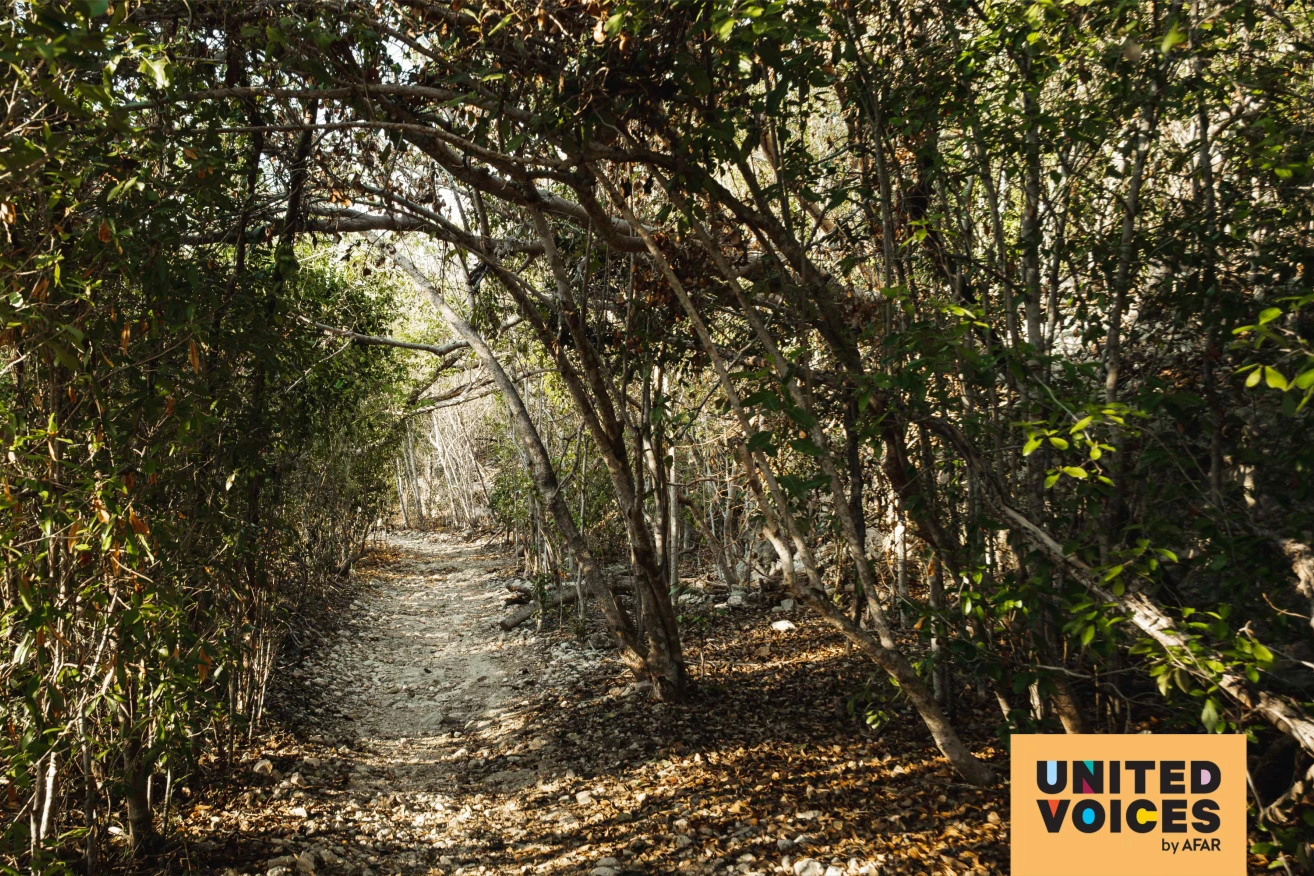
Puerto Rico has a reputation for being a beach getaway for travelers to the Caribbean, but this trip showed the ways in which the island is so much more. A visit to the Centro Ceremonial Indígena de Tibes displays the intricate history of the island and its Indigenous people. A hike in Guanica State Forest reveals the importance of Puerto Rico’s forests; they’re what our guide, Norymar Maldonado, called “our pharmacy, our therapist, our grocery store, our shelter, our source of raw materials.”
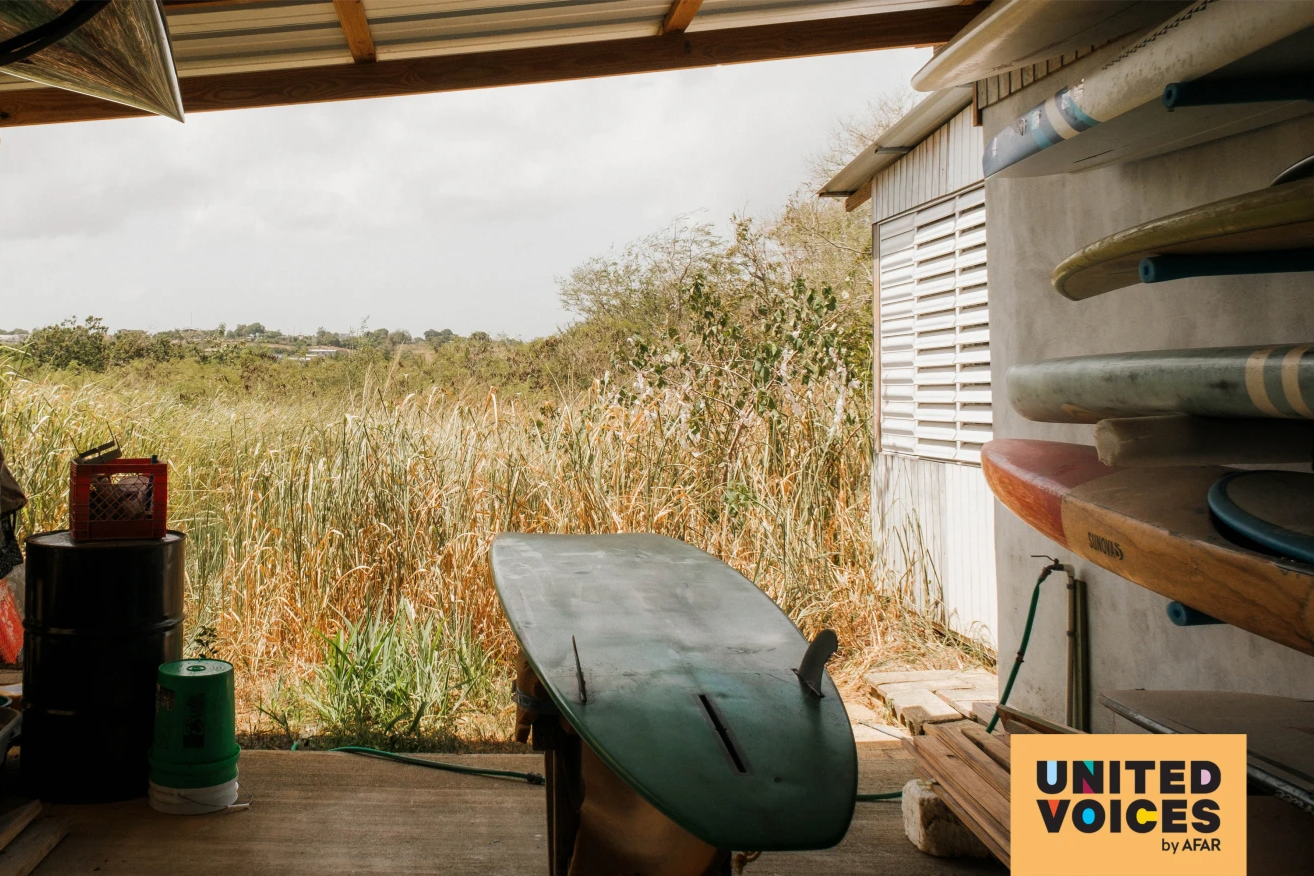
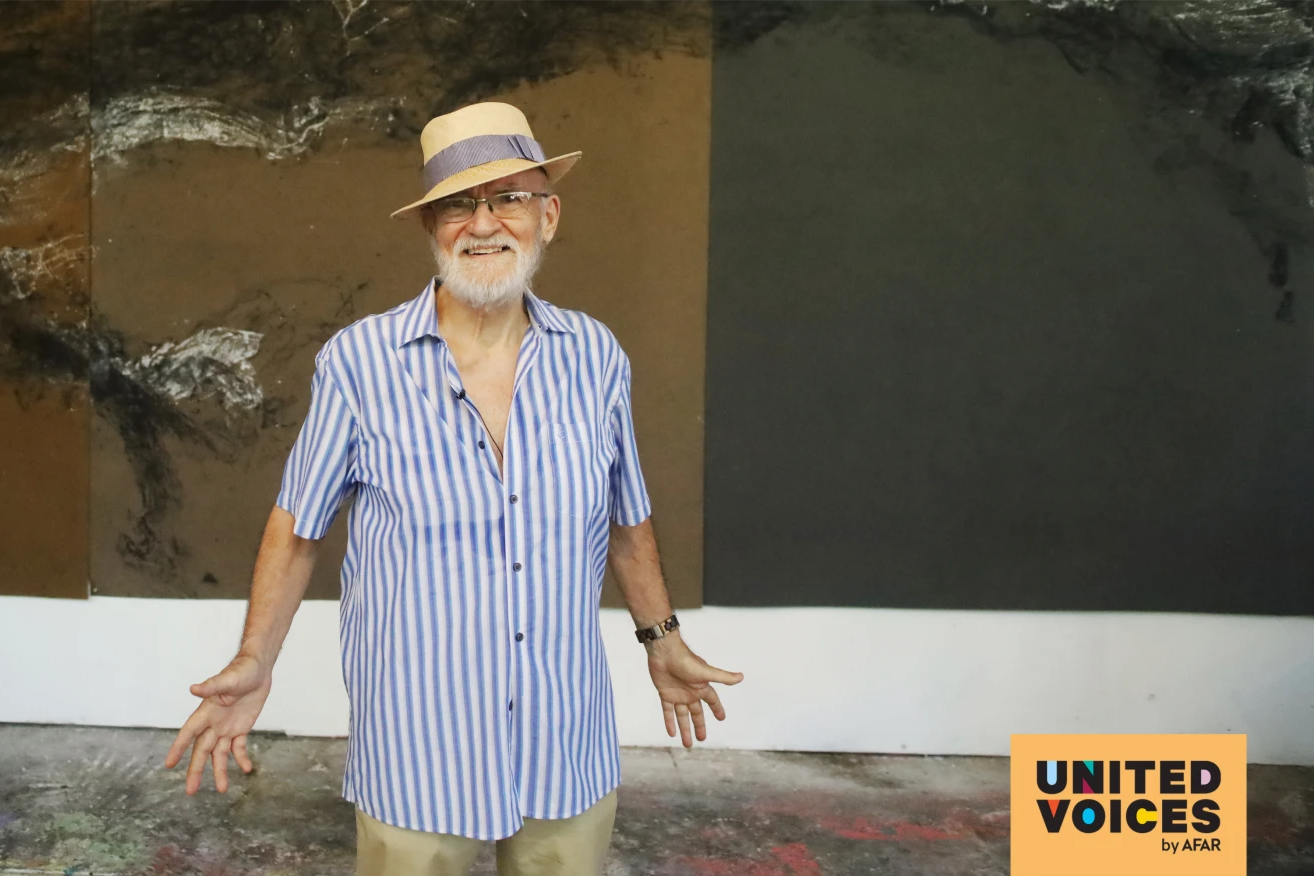
Often, visiting these lesser-known places can create conversations that lead to a more extensive understanding. Take photographer and United Voices creator Jesse Echevarría, who documented the ways Puerto Rican surf shops have sustained the local surfing community. Another local, the nationally renowned artist Antonio Martorell, shared insights into Puerto Rico’s arts scene. He gave advice for future generations seeking inspiration (but I think it makes for solid advice when it comes to traveling, too): “Be aware. Be as aware as you can. Feel. Listen. Read. Smell. Touch. Be aware of what happens here and elsewhere and respond to it.”
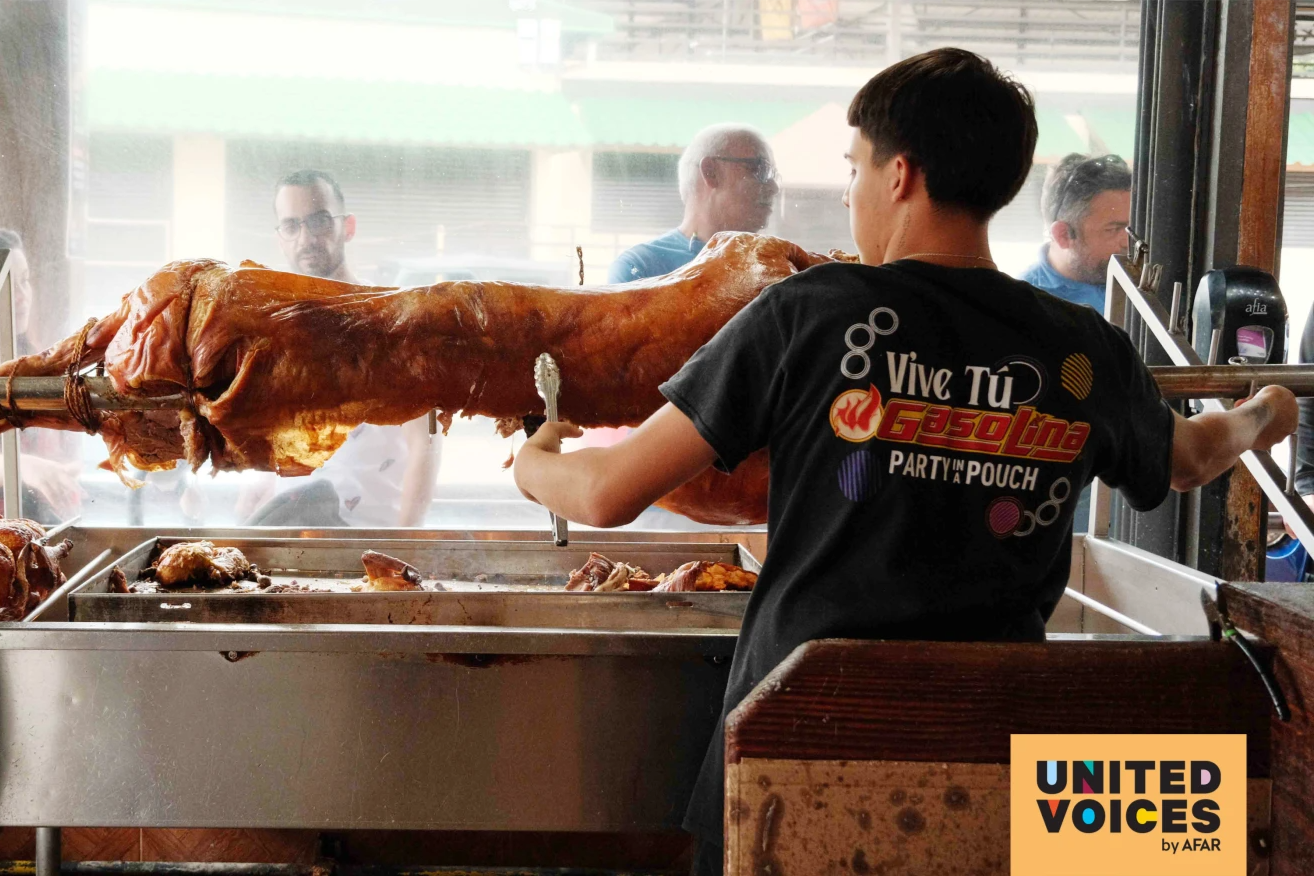
Even the island’s food took on a new texture during a visit to the roadside lechoneras of Guavate. Collectively, they form Puerto Rico’s “Pork Highway”, and a few conversations with customers revealed how deep peoples’ pride goes when it comes to lechón asado—almost as deep as their loyalties to their preferred lechonera.
Take the time to think about where you’re spending your trips. Because for travelers who want to foster a more meaningful and sustainable travel ecosystem, choosing to travel beyond a destination’s famous spots—even when that means going to places relatively unknown—can bring a whole lot of good.
Safe travels,
Chloe Arrojado
Associate editor, AFAR